


In the last one month do you recall losing your temper? Been completely clueless about what to do next? Been unable to control your emotions? Not being able to manage work and home as well as you normally do? Are you yelling at your children often? Parents, watch out for stress! Stress is contagious and the consequences of stress are hard to imagine. Draining out of energy, yelling, losing out patience, expressing anger, getting anxious, lack of sleep are some of the symptoms of stress. These affect the day to day routine and have a negative impact on the mind and body. Children easily pick up your stress and these eventually only snowballs. Stress is like garbage. If we know how to dispose of it properly, things are fine, else it piles up and takes over and controls our lives. But is stress-free parenting really possible? YES! May not be 100% but most of the times yes! Handling our stress is a vital part of parenting. Let’s explore some ways to have a peaceful home with fewer conflicts and more understanding. The most effective ways of handling stress; trust me it starts with focusing on yourself, more than your kids. Having a better control over you helps to ease out stress. Early morning hassles: Have stress free mornings! Hydrate yourself well every morning, kick-start your day with positivity and excitement. Make sure you send off your children with happy and enthusiastic moods. Have your meals on time: Food defines your moods and thoughts. Having food on time helps balance moods and keeps body active and energetic. It’s a proven fact that “hungry makes you angry!” Give your body and mind the right kind of food at the right times to keep it calm and relaxed. Personal Time: Give yourself time-outs. As parents, we also need break times to cool down. Give yourself a few moments to cool and allow your mind to have rational thoughts. Set some time during the day for yourself. Engage in mind full activities like meditation, pranayama, and yoga, are proven to be the best stress busters. Keep your thoughts open for change and adaptations: Being rigid with certain thoughts or things keeps on building stress within. Be willing to accept certain changes in ourselves for the betterment of the family as a whole. Avoid trying to control too many minute things. Organise your work such that when with children you don’t have thoughts/ activities related to your work/profession. Children seek attention, which they lack in school. As parents, we must give our full attention to them. Avoid using cell phones unless urgent: When with children, refrain from being hooked on to cell phones for a long time. Become Aware of your Stressors and Emotional and Physical Reactions: Notice when you are stressed, don’t ignore it. Find out what stresses you out and what they might be telling you. Learn how it affects your body (sweats, stomach ache, etc). Have a thought-diary where you jot down your thoughts in a day. Identify the thoughts that induce stress. Consider the negative consequences of expressing stress. It drains your energies. Anger and Yelling make children more aggressive verbally and physically too. A continuous state of stress can lead to other mental health issues like Depression and Anxiety. Proactively build your coping strategies. Once you are aware of your triggers or stressors it’s easy to find out ways to deal with the situations. Chalk out a coping strategy; don’t hesitate to take professional help. Learn and practice relaxation techniques: Have a good exercise regime, a brisk walk or aerobics. These help ooze out stress and rebuilds positivity. Pick your favourite. After School Time: Pleasant evenings make smooth transitions from play to study. Schedule the after-school time of your child with play, creative games, leisure time and study time. Also, ensure you get children to help you with your household chores. Bedtime routines: Post the dinner and household chores make sure you spend some time for yourself. Indulge in reading something that interests you. Pen down your feelings in your feelings journal. Go to bed with some positive affirmations like “I am calm”, “I am relaxed” “I am Happy”. Work towards a stress-free life: avoid frustrations, irritations, anger and stressful situations. Plan your activities well in time; stay motivated and don’t let your enthusiasm fade As a thoughtful, loving parent and a human being, you have options available to resolve things or situations. Seek for solutions that bring about inner peace and pleasant relationships in the family. Remember your children are Chip of your own block! Medha Kedar Tonapi, ‘Health in your Mind’Psychotherapist, Life Coach, Parent Coach.

Value Seeding in children; Why and How?
Every parent desires to bring up their children as responsible, trustworthy, loving, kind hearted and amazing people. Good education backed by strong values will make this happen with both of them carrying equal weight. Why imparting values is crucial? Values help a person to grow, to develop, to build up character, to build and maintain good relationships. Values assist in developing a strong personality of your child, in turn minimising the possibility of having them go astray. It reflects a person’s character. Values are a part of our thoughts and feelings which are reflected in our behaviour. When at the point of critical decision-making situation in life; it is values that help make the right choice and focus on what is essential. Researchers say children start differentiating between right or and wrong when they are around the age of 5 to 6 years old, and the first learning comes from parents. A Parent is the most ideal role model of a child. As a result they admire them and try to follow their footsteps. This makes it imperative for parents to teach and follow the moral values by being their most ideal role models In the world of diluted feelings and emotions, values come as a ray of hope to be rooted with our culture and be connected with positive aspects of life. What makes it significant is to acknowledge the enormity of imparting values in children so that they can differentiate between right or wrong. Values cannot only be taught as a classroom lesson. It is a vital life skill that is automatically learnt during the early years of childhood. To ensure children become responsible society members, we need to teach them moral values like: (to name a few) Honesty Loyalty Respect Self-reliance Self-discipline Patience Kindness Gratitude Forgiveness Personal responsibility Courtesy Empathy By imparting the right moral values, parents play a dominant role in moulding the personality and their approach towards life of the child. Let’s discuss a few steps to improve your skill-set in imparting values in to your Children. Lead by Example: Be polite, respectful and considerate towards others. Express gratitude and dignity for labour. Ensure children are grateful towards others and express their thankfulness. Good Listening skill is a good value to have: Listening respectfully to children’s ideas and wherever required correct them. This will boost their self-confidence. Also, they learn that when others speak, it’s important to listen. Good Listening skill is a good value to have: Listening respectfully to children’s ideas and wherever required correct them. This will boost their self-confidence. Also, they learn that when others speak, it’s important to listen. Sharing quality moments with children. The dedicated quality time spent with your children has a direct effect on what they grow up to be. You pass on the values you have learnt from your elders and your life experiences. These values may have many a times helped you in deciding the right for yourself. Discuss and share some of your life experiences with them explaining how you dealt with different life situations and emphasising on how the core values helped in influencing your decision making. Believe me; children enjoy listening to your true stories. Storytelling is considered as an effective way of imparting values. Narrate stories to children with a lot of enthusiasm and do make use of your dramatic skills. Your creative ways of story narration will hook on to the interests of children and help them understand the different emotions, values and morals. Also read to them stories of great leaders and their achievements. Don’t forget to include stories of patriotism, religious evolutions and ethical stories. Also do question them about the lesson they have learned. Discuss their thoughts on this. Allow them to express their ideas and understandings of the same. Involve Children in preparations for festivals and religious functions. It generates faith and trust towards divinity, builds in devotion and belief. Helps them understand traditions and customs and importance as to why they need to be followed. Media Exposure plays a significant role in our life. Most of the programs or movies are based on expressing emotions. Discuss the situations and the emotions involved. While watching the news or even a cinema discuss the different aspects and ask the child various questions as what would his/her actions be in such situations? This will trigger a sense of reasoning in children. Offer opportunities for your children to help others. This will instil in the generosity. Involve children in serving food or water at functions and cultural feasts. Introduce your child to serve the needy. It generates a sense of Service and empathy. Comment on compassionate behaviour. Let your child know that caring is a significant moral value. Appreciation has a permanent place in the memory lanes. Don’t hesitate to appreciate any empathetic behaviour. This nurtures the value and helps enhance compassionate behaviour for life. Instilling values is a continuous process. Endorse the joy of being enriched with values; this will enhance our society with trustworthy, honest, loving kind hearted and good human beings! Rest assured, this will make them smarter than ‘street smarts’. Medha Kedar Tonapi, ‘Health in your Mind’Psychotherapist, Life Coach, Parent Coach.
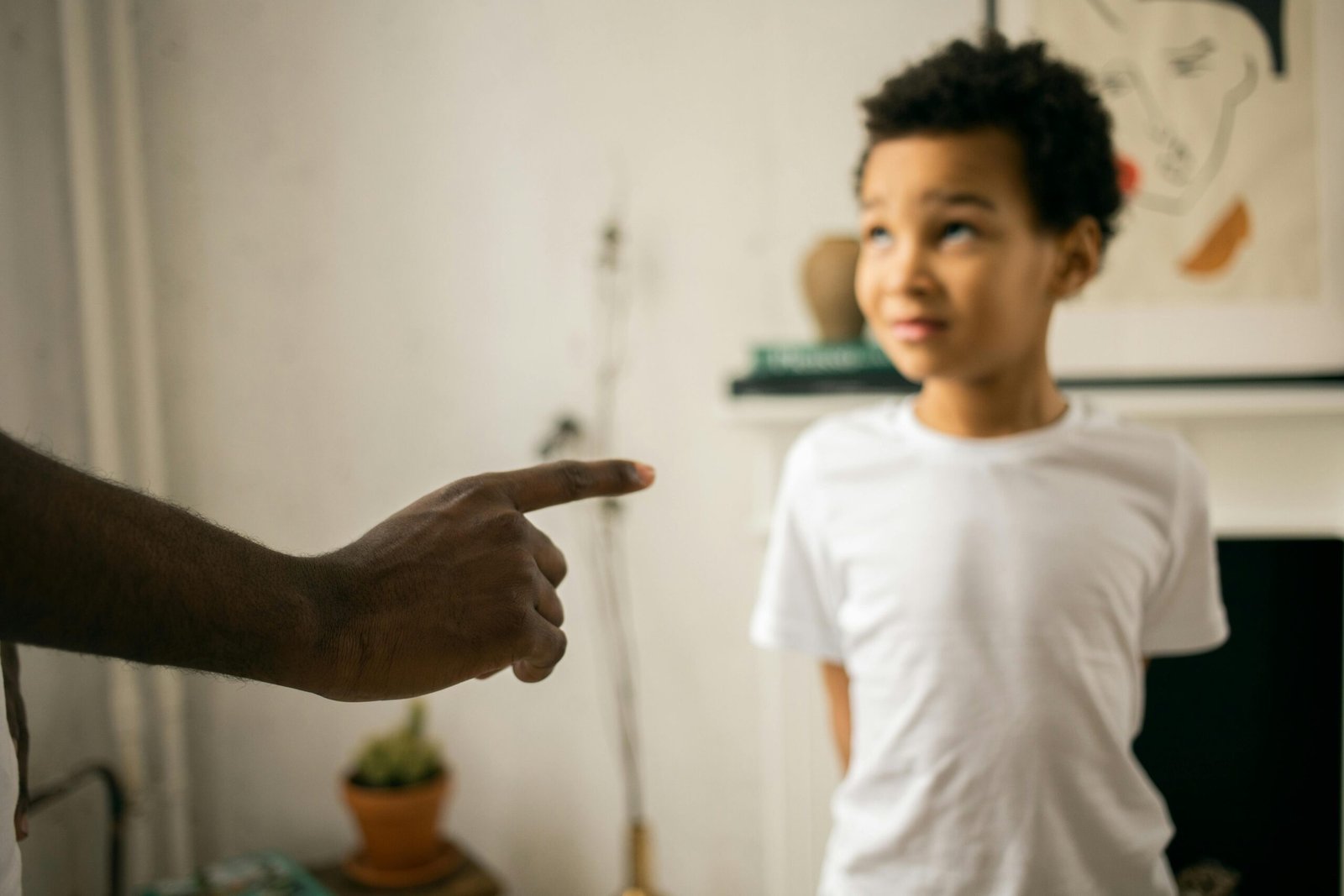
The Fine Art of Disciplining
Discipline is to impart knowledge, values, and skills. It is a way of life and a golden road to success in whatever you do. Inculcating discipline right from an early age helps children pick up the ideal form of following rules set by the family. The Role of Rules Every family is unique and has its own inimitable way of life. Family dynamics play an important role in instilling discipline as a way of life. For the smooth functioning of a family, values, culture and way of life stand as a strong foundation. They provide a nurturing environment and establish unwritten rules for interaction. These rules may range from minor details like ‘washing hands before eating’ to consequential ones like ‘No Lying’. Thus the rules are universal to every member of the family and not just to the children. However, one must differentiate between family value systems and personal lifestyle choices. A misunderstanding here may result in the harshness of discipline. For example, the Head of the Family may want everyone else to behave the same way he behaves. This is not universal. This is personal to one person. Many times discipline is often associated with punishments and control, leaving aside the power of positive discipline and influence of reinforcements. Discipline is the pattern that helps the child fit into the real world happily and efficiently. It forms a foundation for the development of the child’s own self-discipline. Productive and positive discipline is about teaching and guiding children, to follow some collectively decided rules and systems and not just compel them to abide. As with all other interventions aimed at pointing out unacceptable behaviour, the child should always know that the parent loves and supports him or her. Trust as a vital aspect between parent and child should be maintained and continuously built upon. Positive discipline strategies to focus on Increasing desirable behaviours instead of merely decreasing undesirable behaviours through punishment. To give emphasis to the importance of making positive changes in the child’s environment to improve the behaviour. Such changes may involve the use of Positive reinforcements like appreciation, rewards etc. Live the positive change to become a role model for the children. Here are some of the rules to be maintained while imparting discipline: 1. Set discipline rules as a family together Involve every member of the family to choose and decide the discipline guidelines. Each family is unique and therefore has an exclusive set of discipline rules and guidelines. Involve children too while discussing and implementing the discipline rules and guidelines. This teaches a set of responsibility within children. 2. Love and Discipline are inseparable Any Knowledge, skill or value taught with a lot of love and affection is recorded forever in the memory lanes. Children in a crisis first recollect the instructions given by parents. This helps them deal with the situations effectively and learn life lessons. 3.Discipline Constructively Use simple words and a voice that is authoritative but not bossy. The situation was permitting, say “please do this,” more often than “don’t do that!” Help children understand what constructive criticism is and how it should be dealt with. 4. Discipline Consistently Do not let the child away with a behavioural lapse at one time & punish the next time. This will confuse him & weaken your authority. This will also send wrong messages to the child and subsequently witness tantrums and weaning. 5. Explain why rules must be followed Instead of saying “because I told you so”, explain the rationale behind your decisions and regulations. But be sure to make it brief. Children usually don’t like long explanations. With the reasons explained the child would be in a better position to not only obey but to absorb the behaviour & make it his own. 6. Never demean or embarrass children Discipline is not meant to shame or embarrass. Treat the child gently and discipline him in private. From time to time, put yourself in his shoes and remember those times when as a child you were disciplined and how you felt about it. 7. Discipline Honestly If you have a sound, realistic reason for wanting the child to adhere to your standard, and can explain it to children that are good enough. Do not coax the child or attempt to make him feel guilty for an act in the hope that you can play on his guilt the next time the child misbehaves. Children dislike being manipulated as much as adults do, and it will make them just as angry. 8. Discipline without comparisons You will gain nothing by pointing out how much better a classmate behaves. He can learn from the example of others, but not when under pressure. Comparisons at such moments are only likely to encourage defence. 9. Discipline at the moment Do not delay consequences of the child’s misbehaviour. Postponing punishment creates undue anxiety in the child, and the impact of the discipline is diluted when the punishment is distanced from the act. 10. Monitor the results of your Discipline efforts Whatever techniques you choose to use with the children, always observe the reaction closely to make sure your methods are bringing the intended results. If not, modify them or try a new track. 11. Don’t hesitate to praise and encourage when your child responds positively to your Discipline. Nothing works as well as approval, and children will be eager to show you how much they can follow the rules once he has obtained your blessings. Use the world as a platform to appreciate your child’s efforts towards positive discipline but make sure you reprimand your child in private (in isolation) for any corrections or improvement in his approach towards discipline. Endorse the joy of Positive Discipline! Medha Kedar Tonapi, ‘Health in your Mind’Psychotherapist, Life Coach, Parent Coach.

Teenage Crush! How can we help our children deal with it?
Crush! Infatuations! Love! Joyful words Right? Run down your memory lanes and recollect your first crush! I am sure you still get Goosebumps! So now your teen has started noticing and taking an interest in the opposite sex, and you are worried about how to deal with it. Many questions might be haunting you as to how to explain to your child: What exactly is a ‘CRUSH’? How long a crush last for? Is it time for us to hit the panic button? With the effect of Globalisations and modernisations, children are exposed to various culture and ethnicity. Things which were forbidden earlier have become casual today. A Crush can have positive impacts or put down a child with negative experiences. Parents need to be cautious to understand situations. Teenage Crush is a common phenomenon. Most of us had experienced these feelings when we were young. Times were different then. We hardly expressed our thoughts and feelings back then. During my interactions with my clients, I come across such cases where parents are more concerned about the changing behaviour of the child. Raj, a grade 9 student, was suspended from school for two weeks as he was caught talking to a girl in an isolated place. Rashmi, a grade 7 student, maintains a secret diary and parents are over curious to explore it while she doesn’t agree to share with them. Gautam, grade 11 student, finds it difficult to concentrate and expresses anxiousness. Such feelings are common for both boys and girls. There are no separate rules for boys and girls. Several psychotherapy techniques are available that can help parents and children to deal with such situations. As parents, we can help our children to deal with this passing phase: Encourage teens to understand the transition from childhood to adolescence. Facilitate a smooth transition for the child. Do encourage discussions and promote transparency in relationships. Help them develop a healthy attitude towards themselves. Nurture their self-worth. With a balanced Self-esteem, a child can have a happy and successful life in all aspects, be it school life, relationships, academics, Family, profession, etc. Their physical, mental, emotional are emerging energies that needs to be channelized into productive channels of healthy and creative activities. Indulge the child in exciting activities and help him invest his time in his area of interests. Teach them the value and security of moving in mixed groups, rather than isolating themselves with one particular boy or girl. Explain them the consequences of not being in a group. Let them learn and explore their levels of wavelength with different people. Friendships are based on wavelengths and so are other relations in life. It’s the first intuition that we get about another person. Help them to stay focused on their Goals. Academics if set right now, then whole life is set. Help the child set his goals. Goals in different areas like professional goals, personal growth goals, health and fitness goals, relationship goals, leisure goals, etc can be defined. Along with your child list down five goals in each category. Help him build strategies to achieve these and stay focused on them. As a parent ensure that he is professionally trained in the area of interest. Stand back and give them all the support they need. That’s the need of the hour. Family values, bonding, togetherness become strong during such situations. Your support to deal the situation plays the vital role. Keep it light, do not overreact and get melodramatic. Help the child deal with the situation rather than making it a big issue and making it into a big blunder. Your reactions are very important for the child. Talk therapy helps a lot. Let a free flow of discussions. Give ample space for communications. A small gap in communication can lead to other complications and strain relationships. Let them be aware of the laws of the land. Inform them the criminal charges that can prevail. The laws are harsh for boys and difficult for girls. Several promising careers are at stake due to indulging in activities like stalking, eve teasing, etc. Make sure that your child is aware of such crimes and the serious implications of the same. Consider professional help. If you find a child is having is dealing with infatuations, or in a relationship at a very young age he/she may benefit from talking with a professional. Don’t hesitate to meet an expert as any issue, if not dealt in time may lead to several other complications in life. Together with your child enjoy this beautiful phase of life and cherish them for life. Medha Kedar Tonapi, ‘Health in your Mind’Psychotherapist, Life Coach, Parent Coach.

Have you met a Child Psychotherapist?
Asking for help can sometimes be intimidating. There is a rush of thoughts along with a thought of meeting a Psychotherapist. As parents we always wish for the best for our children. As parents we are the most intimate person to our children. We keenly observe our children growing. In case of any deviations in behaviour or mannerisms will first hit the eyes of the parents. Any such deviant variations must be brought to light as they act as a ray of hope towards improvements. We can clearly see the variations in behaviour, in academic grades, in sports or in any other aspect like social interactions, or handling emotional outbursts. At times in life it’s ok to get stuck in life but it’s not ok be stuck always. When you find yourself stuck, you need to unwire yourself and a professional help can aid to make a right analysis of the situation and come out with a course correction techniques. An audit of one’s life brings out the clear statements and this can help in redefining your life’s aspiration statements. How Psychotherapists can help you and work along with what keeps you wondering? A Psychotherapist will work with you on the behaviour analysis and find solutions to the challenges you face. Each problem is unique and every problem has a solution for sure. Talking with a Psychotherapist can help you feel heard, less alone, and a helping hand to help you get out of the emotional turmoil. Even Before your first visit to a Psychotherapist, or even when thinking about meeting a Psychotherapist for the first time, you might be going through a range of emotions, including feelings like: Worried or Embarrassed Apprehensive of what will happen at the session? How to express what I feel? What if the problem isn’t really important enough ? Experiencing any of these feelings is not at all uncommon. It’s important to realise that Psychotherapists are used to dealing with all sorts of issues with their clients and that no problem is too big or small or odd to visit them with. Every problem is important; every problem has a solution; every problem needs to be solved; and every problem needs to be solved in time. Many children and teens have problems that affect how they feel, act, learn, or behave. In the growing years children may go through negative feelings like Low self esteem, Anger, Stress, Sadness, lack of interest, not able to understand emotions, getting emotionally detached, etc to name a few. Psychotherapy is a type of treatment for such problems. It is a way to get help for your child and put him on the right track. Why do Kids need Psychotherapy? Kids and teens need therapy when they encounter problems they can’t cope with alone. Or they need help when problems affect how well they do, feel, behave, or act. If things don’t get better on their own, kids may need therapy so things can improve. Sometimes, entire families need support while trying to communicate, learn, and create boundaries. As parents, we can try to solve the problem, but most often the method doesn’t work or could be aggressive or too mild. If there are any challenges or any issue that is affecting you or your child’s day to day routine and is troubling you/ your child, this is reason enough to talk to someone like a Psychotherapist. The sessions are very friendly, activity based and children are made approachable before any therapy is administered. Psychotherapists are trained and have a deep understanding of what matters to the mind and psychology. This will work wonders on the self esteem and ambition process of the children. Medha Kedar Tonapi, ‘Health in your Mind’Psychotherapist, Life Coach, Parent Coach.
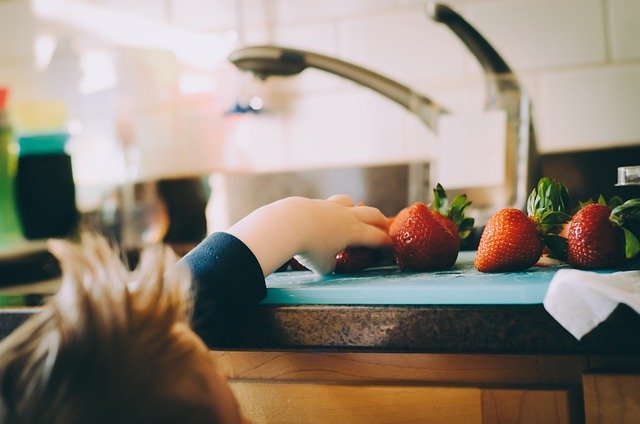
Are you Raising Food-Smart Kids #Parenting
Fostering a child to be intellectually sharp and emotionally healthy is what every parent yearns to. Parents make every effort hard to provide all the luxuries to their children. Inspite of all this, initiating healthy food habits amongst children remains one of the biggest challenges. You and your family can develop a positive relationship with healthy food. Few decades ago, food was not only scarce but the choices were limited. But with improved economy,we have an abundance of food supply and to add to it we have various cuisines to our menu list. But nutrition and a healthy diet are taking a back seat in our fast-moving environment. Being a basic necessity of life ‘food’ is being distorted with quick and fast food. As a nation, we have been mostly successful in eradicating malnutrition and under nourishment amongst children. While in individual households maintaining a balanced, healthy food habit is still a big challenge. The modern age children are usually described as fussy eaters and make mealtime a battlefield. A healthy child cannot starve or be undernourished when he has access to a variety of wholesome food. A habit developed in the formative years, has a lasting effect on health. Parents need to set a healthy food culture through diet planning, adding variety, and setting a good example. Children usually have a natural ability to know how much food they need and they do not usually overeat. However, they can lose this skill if manipulated. If children are forced to eat more than they want or encouraged to finish everything on the plate, they tend to pick wrong messages and learn not to stop even though they are full. Overeating is what the tender mind learns. Obesity and weight-related problems prevail. Remember — it is the parent’s job to provide the food. It is the child’s job to decide whether, what and how much to eat. Important facts: Nutrition helps children develop good intelligence (IQ) Good food balances emotions and is one of the basic requirements to develop Emotional Intelligence (EQ). Good Physic, body posture, good eyesight, cavity-free teeth, skin & hair texture are all determined by a healthy diet. A child needs to be guided and allowed to make independent choices and eat a variety of foods. Malnutrition and its consequences can be prevented by eating the right food in the right quantity. Children develop interest and try new dish when they see other family members or other children are enjoying it. Right Bites: Cook food for your child with lots of love and a calm mind. They are the major ingredients of a most healthy food. Commence your day with a nutritious breakfast. Children need fuel to concentrate and learn. Include nuts and fruits in the first meal of the day. Offer a variety of healthy snacks and meals available. Include proteins, grains, and dairy products Offer food in a good and healthy environment. Stick to one place for eating. Confine eating to dining area only. Preferably sit on the floor to eat. Avoid eating while watching television, especially the dinner/Lunch. Children tend to ignore their hunger cues while watching television, leading to overeating or other way round. The focus is a must ingredient to relish what is being eaten. Include your child in grocery shopping, meal planning, and meal preparation. It is an excellent opportunity to teach them about proper nutrition and to get them interested in different cuisines. Children will tend to become less fussy when they are involved in cooking. It is quite essential that children see parents eating and enjoying healthy food – are you a good role model for your child? Nutritional problems in children Being aware of the consequences of an unbalanced diet is essential. Nutritional problems in the child may carry into adulthood. Wrong diet will lead to low immunity, obesity, eating disorders like bulimia & anorexia, anaemia, dental caries, etc. A quick Reminder: Offer variety of food to children during the day to meet the nutritional requirements. There are no ‘good’ or ‘bad’ foods: it is the overall package of intake that is important. Children, like adults, enjoy choosing what they eat and how much. Young children have small stomachs; they need to eat less but more often. Never force or punish them for not eating. Let mealtime not become a battlefield, as Food is to be enjoyed. If you find mealtimes very stressful with your child, you might need to try a different approach. Medha Kedar Tonapi, ‘Health in your Mind’Psychotherapist, Life Coach, Parent Coach.
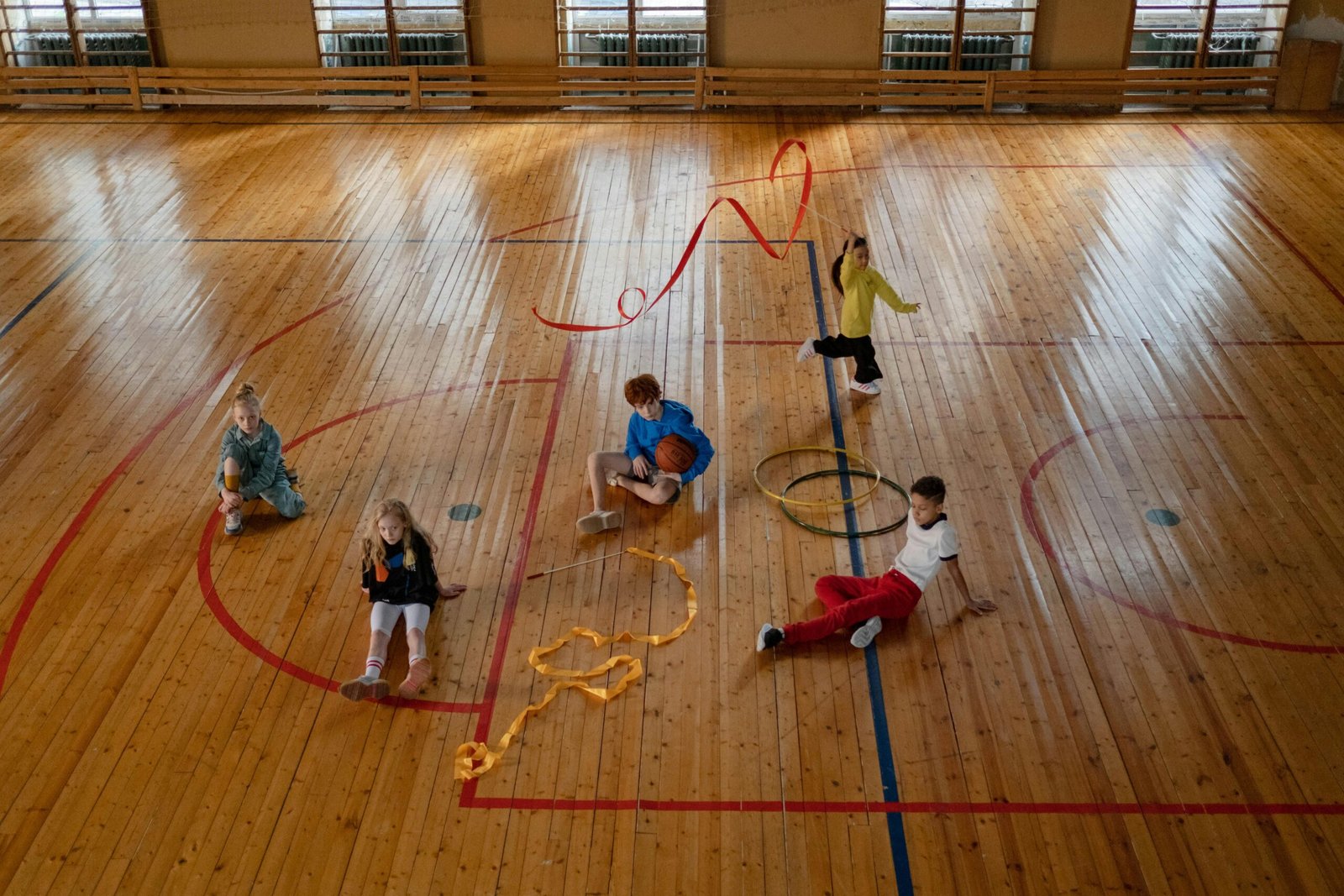
Influence of peers on children; what you need to know?
Crush! Infatuations! Love! Joyful words Right? Run down your memory lanes and recollect your first crush! I am sure you still get Goosebumps! So now your teen has started noticing and taking an interest in the opposite sex, and you are worried about how to deal with it. Many questions might be haunting you as to how to explain to your child: What exactly is a ‘CRUSH’? How long a crush last for? Is it time for us to hit the panic button? With the effect of Globalisations and modernisations, children are exposed to various culture and ethnicity. Things which were forbidden earlier have become casual today. A Crush can have positive impacts or put down a child with negative experiences. Parents need to be cautious to understand situations. Teenage Crush is a common phenomenon. Most of us had experienced these feelings when we were young. Times were different then. We hardly expressed our thoughts and feelings back then. During my interactions with my clients, I come across such cases where parents are more concerned about the changing behaviour of the child. Raj, a grade 9 student, was suspended from school for two weeks as he was caught talking to a girl in an isolated place. Rashmi, a grade 7 student, maintains a secret diary and parents are over curious to explore it while she doesn’t agree to share with them. Gautam, grade 11 student, finds it difficult to concentrate and expresses anxiousness. Such feelings are common for both boys and girls. There are no separate rules for boys and girls. Several psychotherapy techniques are available that can help parents and children to deal with such situations. Here are a few things that friends can pressure each other to do • Being honest • Respect for others • Inspire to study • Work hard • Learn new games • Say no to bad things like lying, cheating in games All is well when it is positive. The trouble brews when negative influences start overshadowing them. Negative influence can at times impact self-esteem and invite psychological ailments. I always remind parents to be very observant of your child’s behaviour and make smart moves to correct the course. With little help from you, they will be able to identify such negative influence and outgrow them. When in pressure children usually feel • Sad, Anxious, Guilty, Angry • Low self-esteem & Lack of confidence • Dependency on others for minute work • Withdrawal from social settings Why do children show up such mannerisms? • Fear of rejection • Fear of losing a friend • Don’t want to be made fun of • Have no clues to get out of a situation As parents, it is utmost essential for us to understand our children and the feelings that they experience. A Parent is the most intimate person a child can have; this bonding is an ever healer of troubles. Children at times refuse to listen to their parents if they try to advise them about something. This results in strained Parent-Child relationship. Parents have to be cautious to help children handle peer pressure in the right manner. Five steps to help children handle peer pressure Talk therapy: talk to your child on a regular basis about his day at school and his time at play. Children are usually eager to tell things that happened. Do listen to him with patience and interests and keep digging for more information about his friends and what he thinks or feels about them. Talking with children keeps your bonding with him healthy and also opens up the details of his friends and the depth of the relationships. You could then analyse and convince on the rights and wrongs. Develop a strong Self Confidence in your child. The values that you seed in, the discipline that you impart, the beliefs that you instil will build a strong Self Confidence in your child. A confident child is less affected by their peers as they are sure of they feel, think or behave. Educate you child with the word ‘NO’. Explain to your child about peer influence. Let them know the power of the word ‘NO’. If a child learns the skill to say ‘No’ in a polite but firm manner to unreasonable demands, he has mastered the skill of dealing with different types of people. Empower your child to learn to deal with pressure situations and not avoid them. Help them understand and differentiate between their right and wrong choices in life and nurture them into better and strong individuals. They can pick up a skill to filter the suggestions/ ideas/ thoughts they receive from their friends instead of blindly accepting them without questioning. Instil the values of being proud of what you are and what you possess. Be a friend to your child. When your child makes a list of his friends, make sure your name is on the top of the list. Also, ensure you are an ideal role model your child can have. Children learn by watching and blindly accept the behaviour of elders as “Standard”. When you face a pressure situation, remember you are setting the standard. Consider professional help. If you find the child showing symptoms of low self-esteem, loss of confidence or trouble in managing influences of friends, he may benefit from talking with a professional. Don’t hesitate to meet a professional to avoid severe complications in life. Encourage and appreciate your child when he is around with the right set of “Peers”. Endorse the joy of friendships! Let them enjoy the beautiful bonding of friendship!. Medha Kedar Tonapi, ‘Health in your Mind’Psychotherapist, Life Coach, Parent Coach.

Mould your child into a blockbuster through movies.
Read on if you have children up to age 14… Ever wondered if movie watching with children can be easily combined with introspection, value building and an enlightening learning experience for children? Watching a movie at home along with your child is less challenging as compared to other key parenting techniques like reading a book or getting a child involved in a creative game. Movies are an ever welcome and children are easily attracted. The reason being movies stimulate the all the three vital sensory receivers for storing information in the brain; i.e. Visual, Audio and Kinaesthetic (VAK). These sensory receivers help children grasp easily and understand things faster. Children watching movies unattended is not advisable. Ensure you are with your child while watching any movie. Let us see how this can be used as an important parenting technique Get to know your child through a film: While watching a movie; if you keenly observe your child you can witness the different emotions the child is going through. When you witness the curious questions that come up, the excitements, the anxiousness, instead of asking him to shut up, clarify the doubts and explain the emotions. While it serves as an eye-opener for you about his thinking, use the occasion to correct his understanding of right and wrong. Children get the opportunity to open up to you about related incidents or events when they witness certain scenes in the movies. Take good heed at what they are trying to tell you. Studies have proven that children who spend more time enjoying leisure activities with their families tend to do better academically, act out less and steer clear of violence. Of course, the right selection of the movie matters. Choose a Movie that the whole family can enjoy together. Launch a platform for discussions. Have a debate amongst each other on the story and try to pick up vocabulary and emotions. Talk about the feelings of some of the characters. Choose movies with a strong message which can inspire, motivate or encourage and help set goals for children. Movies can create long-lasting impressions on their lives. Make connections. Find out if there is any important message you can highlight while watching the movie. Use the movies to highlight the importance of Time management and hard work Organising skills and quick response Expressing emotions and being empathetic Having a goal and dream in life Importance of money & earnings and yet sharing and giving Traditions and rules. Watching biographies of great leaders or historians might help your child choose an inspiring role model for himself. Children will pick up some of the attributes of them even if they do not idolise them: biographies of Martin Luther, Lincoln, Marie Curie, Subhas Chandra Bose, Bhagat Singh, Homi Bhabha, JF Kennedy, CV Raman, Sir M Vishweshwariah, Milka Singh and so on. I am sure I have missed at least 1000 names here. Ensure to include idols from all professions like politics, sports, science, philanthropy, warriors.etc. Allow the child to come up with his point of view or opinions about the movie. Discuss the matter concerning. Many times you’ll be surprised at what insights they bring! You will have a learning experience too. Don’t forget we all are required to be in continuous improvement mode! Spending quality time along with your child is nothing but building rich experiences in the memory lanes. As your child grows up, these memories will help him grow with the right emotions, spirit, grit and bonding. Now let’s keep Moving! Medha Kedar Tonapi, ‘Health in your Mind’Psychotherapist, Life Coach, Parent Coach.

Life lessons you have to teach your kids before they enter teenage
“Youth managed is future managed”. It’s a challenging phase with bodily changes, academics goals to be achieved, social challenges and family dynamics to be managed. A smooth transition to adulthood for your child is your task on hand. How to equip the child with the right skills is a vital aspect of parenting. In a fast-changing competitive world, endowing our children with a right set of life skills and emotion management will lay the best foundation. You’ve heard such stories before: The child who excelled in high school but dropped out of college. Children resorting to parents support to get their things done even at college level. Students are wasting time with the wrong set of friends and habits. Inspite of being intelligent and well learned, a person is seen suffering in debt. As parents, we are focused on our child’s safety and grades but miss the most crucial focus –Life Skills. Conscious and consistent guidance in Life Skills is the need of the hour. Work towards imbibing these life Skills into your child. Stand up for yourself: how we value and perceive ourselves is the whole thing. Having positive self-thoughts and a strong belief system is what is needed. “Beyond one’s nest is a world of survival of the fittest”. A positive self-image and strong self-esteem act as strong pillars to stand up for yourself and face any happy or crisis moments of life. Help your child build up a healthy self-esteem. Let them explore and be initiative: Children are curious and love to explore. As toddlers, they venture into exploring various things around the house. As they grow, they need instructions to do certain things. Reduce the instructions and let them come up with their way. Self-motivated children find it easy to think as a leader or take new challenges. They enjoy instant recognition and climb the ladder of success with ease. Communication Styles and how to talk to strangers: moving out comfort zones is quite challenging for most of us. Making children aware of the different communications styles can help him deal with different situations. Maintaining proper body postures, having good eye contact and a pleasing personality help to communicate with strangers too. Assertive style of communication is advocated for healthy interactions and helps maintain good rapport with others. The significance of Verbal and non-verbal communications require to be highlighted. Non-verbal communication includes pitch, speed, tone and volume of voice, gestures and facial expressions, body posture, stance, eye movements and contact, and dress and appearance. Manage Time: Ensure your child is well equipped with time management skills. It isn’t a difficult task. It requires a little time upfront to prioritise and organise yourself. Prioritising and dealing with Procrastinations form the significant aspects of Time Management. Sportsmanship: Sportsmanship is a style and an attitude. It has a positive influence on everyone around you. One can demonstrate good integrity when you show respect for yourself, your classmates, teammates, and your opponents. Sportsmanship helps children to deal with failures gracefully. Displaying good sportsmanship is more important than winning or losing. These are the stepping stones towards a successful life. Understanding money: Value for money is an essential aspect of raising independent children. Children need to know that money is the result of hard work and planning. It’s quite evident that one, who can manage money matters well, succeeds in life. Your child can inherit your money but needs to learn how to earn, manage and deal with it wisely. Upscale cooking skills: Good food is anyone’s passion. Children love to eat a variety of dishes. Let children explore their skills in the kitchen too. Make sure your child helps you in the kitchen with basic work to begin with. Simple things like making sandwiches, milkshakes, and juices can be delegated. Gradually introduce them to cooking a variety of dishes. The stomach is the way to everyone’s heart. Laundry Skills: Teach laundry skills to children at an early age. Little ones enjoy sorting, segregating, drying, folding clothes. Allow the child to take good care of his belongings. A sense of responsibility and discipline prevails. Decision-making Skills: Right from infancy children have an inbuilt skill of decision making. Some bad decisions are part of the maturity process. Children need to be encouraged to develop their choices and decisions. Adolescents need to have more control over their lives. Good decision-making is one of the most crucial life skills to own. When at the point of critical decision-making situation in life; it is values that help make the right choice and focus on what is essential. Ensure your child picks up Decision-Making Skills that can help him take small or big decisions for himself. Relationships and Friendships: Key aspects of human life are his relationships and bonding. Friends come in as influencers. Choosing good set of friends can be a boon and help one achieve his more significant goals in life. Watch out for bad company. Help your child with your analysis to choose right set of people in his life and not stumble upon wrong choices. Life Skills cannot be taught overnight. It cannot be explained in a quick classroom session too. It’s a gradual learning process where we empower our child with a right set of skills to embrace the world. During the growing up years be along with the child and ensure that he picks up the vital skills and walks through his golden journey of life. Medha Kedar Tonapi, ‘Health in your Mind’Psychotherapist, Life Coach, Parent Coach.

Is your child an Underachiever – There is hope here!
Are your child’s academic scores reducing? Is your child’s lack of interest in studies bothering you? Are you witnessing deteriorating academic scores consistently for past 2 to 3 years? Are you endlessly concerned about your child’s future? Have you ever thought what your child is going through? Your child, inspite of having a potential to achieve much more is not able to achieve desired results? A child, who is consistently having low grades for the past few years, is a point for further probing; may be an underachiever. Parents! Watch out! An underachieving child is an enormous problem in many families. Parents are challenged every day by students who seem to be uninterested in learning. The most frequently asked questions asked parents by is, “How do I get my child to study to achieve to his fullest potential?” An underachiever is a child who fails to achieve his or her potential or does not do as well as expected. “You can lead a horse to water, but you can’t make it drink.” is an old saying; why do some children turn in quality work while others do just enough to get by? Why are some students able to verbalise great intentions but fail miserably on their assigned projects? Why can the simplest of assignments be met with great dissension? For varied reasons, there is a significant gap between what a child scores in school and what they are actually capable of scoring. Such underachieving students have often been labelled as “lazy”, ” dumb”, “dull” or “difficult.” Teachers have been known to write them off as “unteachable.” Children who have been scoring extremely low grades in academics usually experience • Low self-esteem • Poor Self Image • Low Confidence • Less Happy (May be sad or might be depression too) • Difficulty in expressing emotions • Hesitation to participate in a social gathering • De-motivated to do things that interest him • Gadget overdependence But as parents, giving up on our children is no excuse. A ray of hope always remains untouched. The best tuition classes, books, online education apps and materials in the world can’t encourage children about studying and willingness to work hard, if parents do not motivate them. I always tell my clients “If you can make the horse thirsty definitely he’ll drink the water.” Our children respond to proper encouragements. Alarm Bell! Seek professional help! Do not hesitate to approach any professional psychologist/ psychotherapist to overcome this situation. There are several psychotherapy techniques that can help students deal with the situation. Let’s explore some of the best ways to help our child unleash their true potential and make proper utilisation of the talents they are blessed with. Think your child as wonderful. Because what you think they become. The powers of positive thoughts are immense and can revolutionise. Believe in your child. A slight positivity in your approach can help the child to move ten steps ahead. Include an exercise or workout regime along with your child. Body Movements trigger positive emotions in the mind and help maintain encouraging thoughts throughout the day. The ability to focus, concentrate, patience, etc build in. Just choose your favourite form of workouts and get going. Focus improving on your communications with your child. Continuous nagging, repeated instructions usually turn off a child. Non verbal cues are a huge rescue many a time. Make use of some prompts; make cards with your instructions written on them; these little words make huge impacts, e.g. “Study Time”, “Listen”, “Good Behaviour”, etc. choose your words and enjoy making such cards along with your child. Design a good reward system. Each one of us likes rewards. Offering children some rewards; may be tangible or intangible helps them earn a chance to get motivated to stick to plans as decided earlier. Things like a small ice cream party, watching movies together, or even something as simple as a kiss can make children work harder and aim to achieve. Self-awareness. : Self-awareness builds strong belief statements about oneself. Help your child explore his inner world and unleash his true potential. Along with him make a list of his strengths and improvement areas. Analyse this along with him. Help him build strategies to work on his improvement areas. Harness your child’s interests. Knowing your child’s interests allows you to relate to his likes and identify their passions. Parents can use these interests to make things more exciting and relatable to children, keeping them motivated for longer. Interests can be of huge help to work on improvement areas. Help your child to set goals for himself: tagging yourself to a goal and ritualistically following them builds an eagerness to achieve anything. Goals clear the fogged roads to success. Let the goals not be confined to academic success alone. Also add leisure goals, health and fitness goals, etc. Achieving Small goals; leads to the path of achieving big goals. Think big; set large goals. Don’t hesitate to praise whenever deserved. There can be no other form of motivation that works as well as encouragement. As adults, we too crave recognition and praise, and our children at any age are no exception. Parents can give children a bounty of motivation by rewarding success publicly, offering praise for a job well done, and sharing exemplary work. Ensure that you reprimand your child in person. Keep track of progress. It can be motivating for children to see just how far they’ve come, especially with subjects that are difficult for them if. Tracking can come in handy at home, not only for parents but also for children. During the growing years of your child; it’s vital that there is a strong focus on positive emotions so as he is capable of handling the negative emotions he is experiencing. Ensure that the guilt of non-performance should never grow prominent than the actual potential of performance. Fuel the Self Esteem of your child with positive emotions. Believe in the power of bounce back. Medha Kedar